Faced with today's environmental challenges, architecture is moving towards more responsible practices, integrating more natural and renewable materials into the design of buildings, interior spaces and gardens. At Supra Studio, we see bio-based materials as a genuine architectural opportunity: they help create places that are more sensitive, more sustainable and more connected to their surroundings.
What is a bio-based material?
A bio-based material is a material derived, in part or entirely, from renewable resources of living origin: plants, animals or agricultural by-products. Unlike conventional materials derived mainly from fossil or mineral resources, it contributes to a more circular architecture by making use of available natural matter.
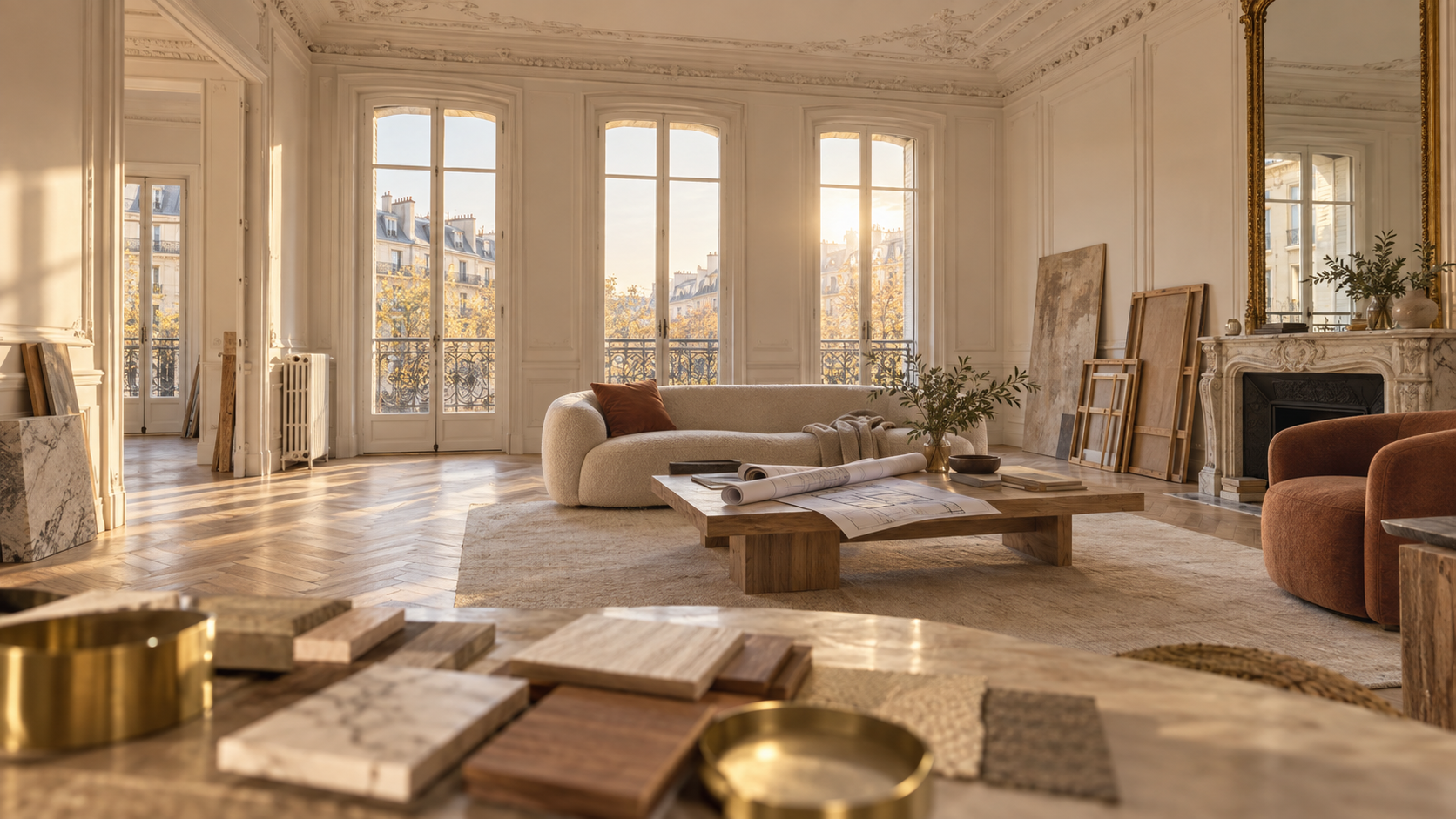
Among the most widely used in architecture are wood and its derivatives, straw, hemp, cork, wood fibre, linen, sheep's wool, cellulose wadding, and natural earth or lime-based renders. These materials can be used in a building's structure as much as in its insulation, interior fittings or landscaped spaces.
Wood, a timeless architectural material
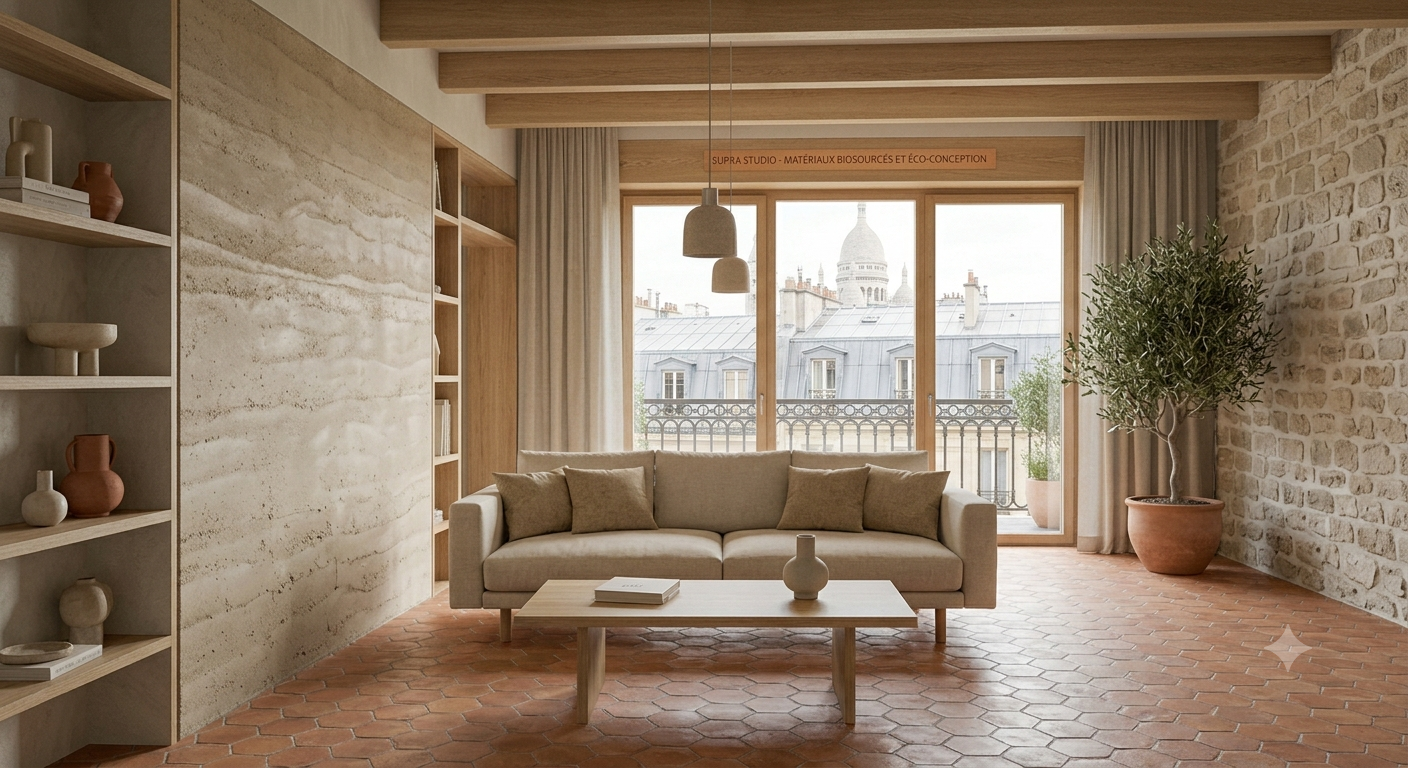
Wood is probably the best-known and most widely used bio-based material in construction. Thanks to its mechanical qualities, low carbon footprint and warm appearance, it finds its place in many contemporary projects: framing, roof structures, exterior cladding, joinery, bespoke furniture, interior fittings.
Beyond its technical performance, wood brings a sensory dimension to architecture. Its texture, natural ageing and variations in tone create spaces that feel alive and authentic. In an overall architectural approach, the choice of species, origin and implementation becomes a genuine aesthetic statement.
Hemp and straw: high-performance natural insulation
Bio-based insulation materials are seeing strong growth today thanks to their thermal performance and their capacity to improve indoor comfort. Hemp, for instance, offers good natural humidity regulation, effective thermal insulation, appreciable acoustic comfort and a low environmental impact.
Straw, often associated with alternative ecological architecture, is also a high-performance material when correctly implemented. It makes it possible to build energy-efficient structures while making use of a local agricultural resource — proof that sustainable architecture can also be innovative and contemporary.
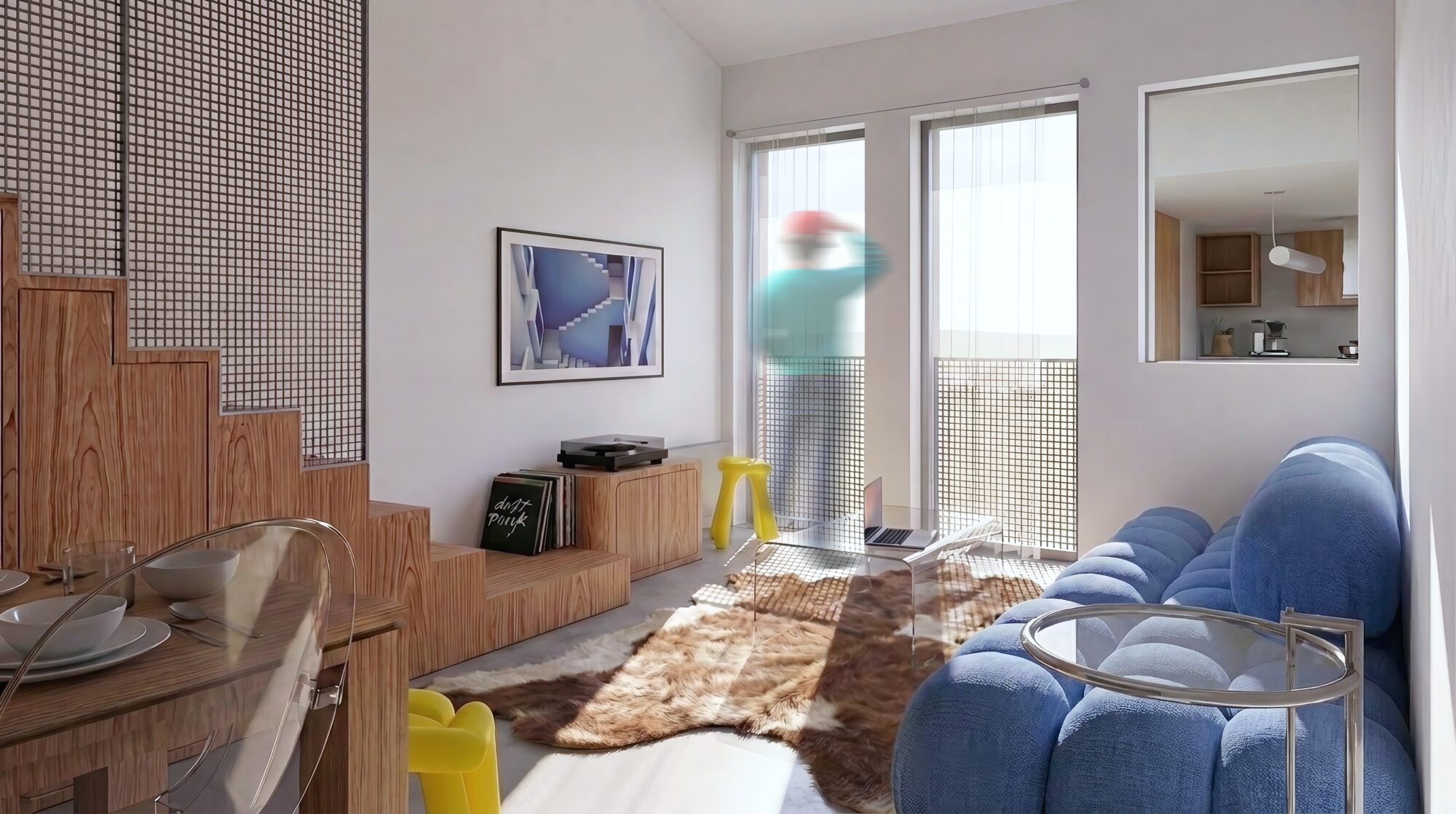
Wood, cork and natural fibres in interior design
The use of bio-based materials is not limited to construction: they also play a major role in interior architecture. Interior spaces directly shape our perception of comfort and quality of life, and natural materials help create warmer, timeless atmospheres.
In an interior architecture project, they can be integrated through bespoke solid-wood fittings, decorative panels in natural fibres, cork wall coverings, natural textiles (linen, wool, hemp) or natural paints and renders. They bring a particular sensory richness — touch, texture, scent, light — for interiors that remain pleasant to live in over the long term, not just pleasant to look at.
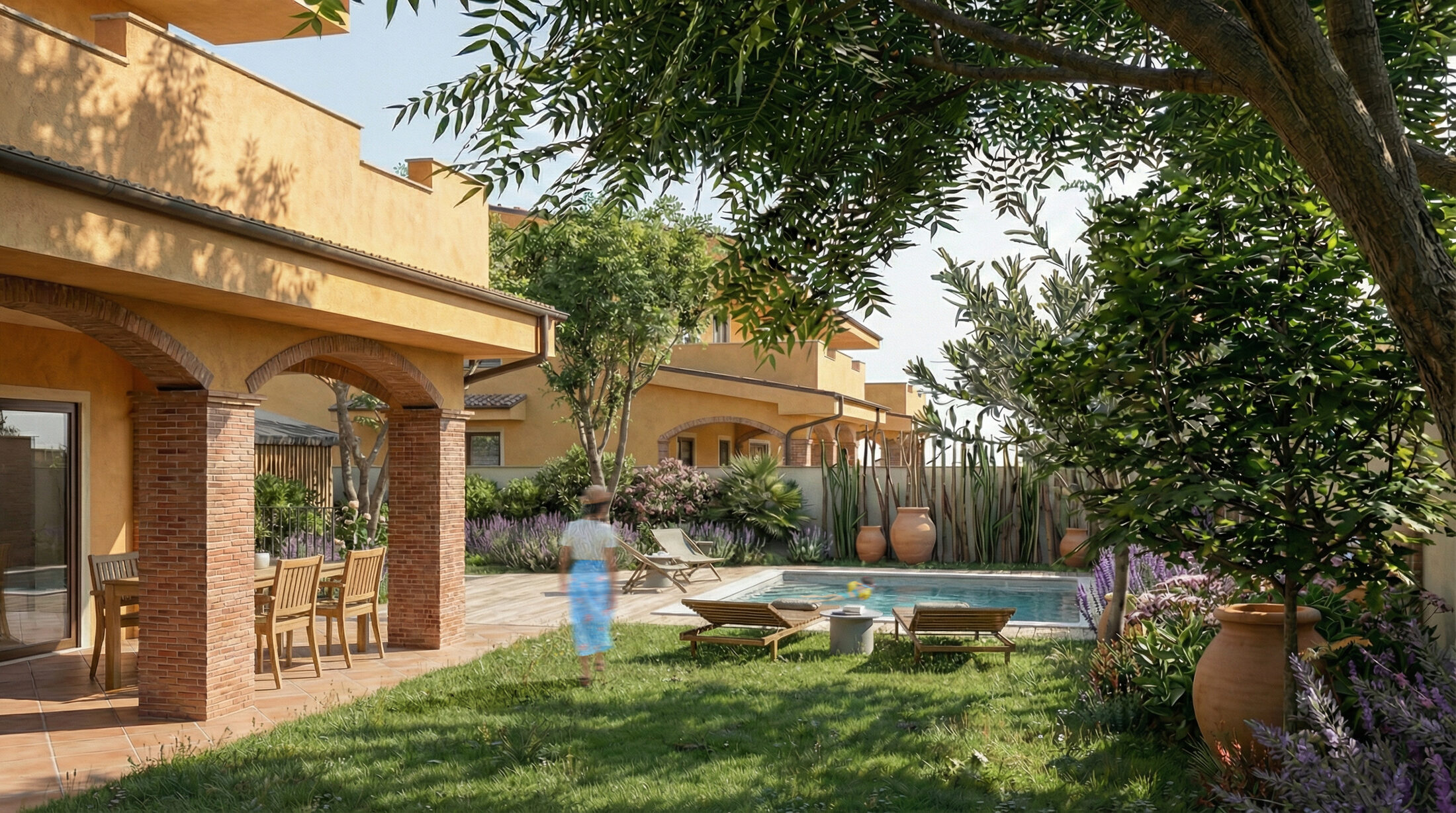
Natural materials in the landscape: reconnecting architecture and nature
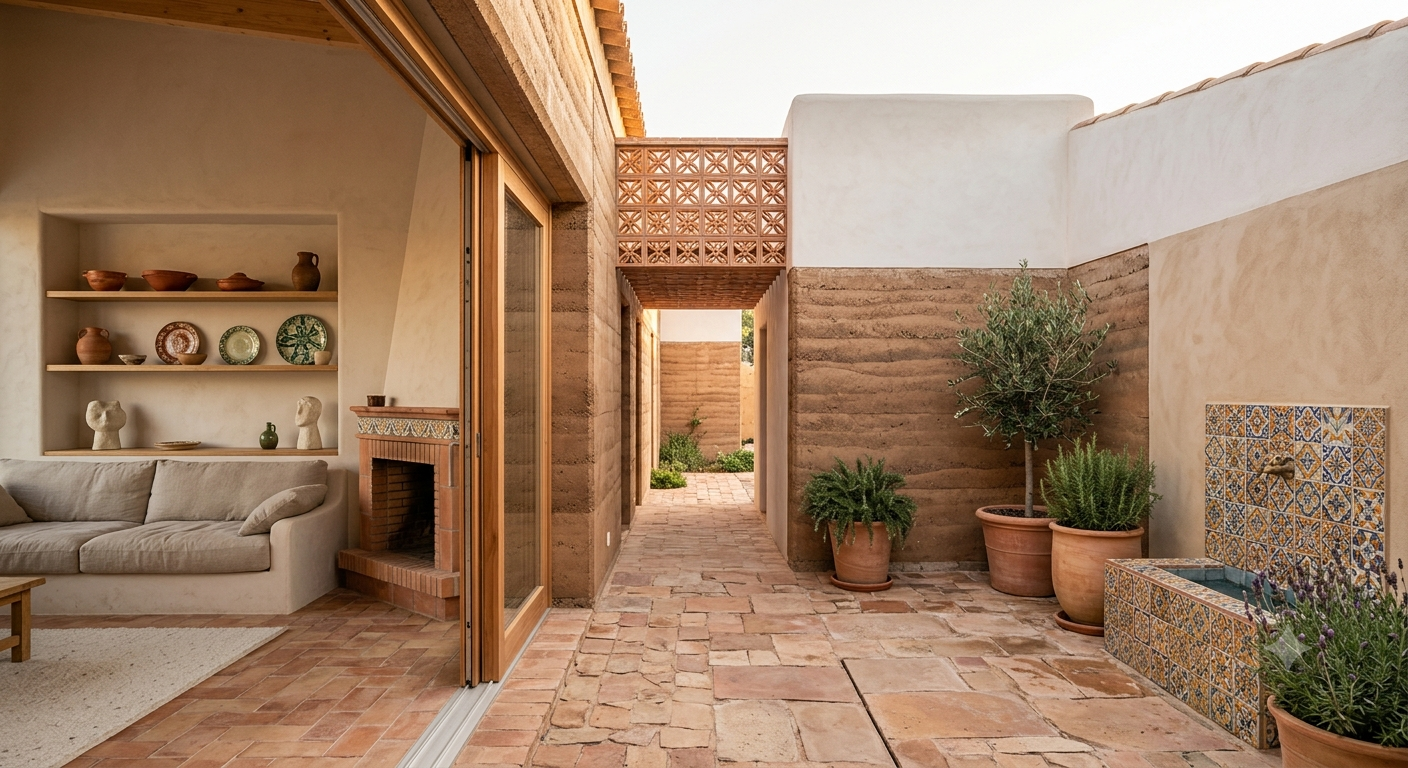
The bio-based approach goes beyond the limits of the building and also concerns the design of outdoor spaces. In a landscape project, the choice of materials strongly influences the relationship between architecture and environment: local wood decking, untreated wood fencing, outdoor furniture in natural materials, vegetal mulching, plant-fibre structures, layouts using local resources.
The aim is to create outdoor spaces that blend naturally into their context while limiting their environmental impact. The landscape then becomes an extension of the architecture, designed with the same attention to materials and uses.
Reducing the project's environmental impact
Bio-based materials help reduce the carbon footprint of buildings thanks to their renewable origin, the carbon-storage capacity of certain materials such as wood, often less energy-intensive production, and the use of local resources. They thus contribute to a more responsible approach to architecture.
Improving residents' comfort
Beyond the environmental aspect, natural materials also improve the quality of spaces: better humidity regulation, enhanced thermal comfort, better acoustic quality and a healthier indoor atmosphere. Sustainable architecture is therefore not limited to energy performance: it is also about the daily well-being of occupants.
Giving the project a unique identity
Every material has a history, a texture and a particular way of ageing. Choosing bio-based materials makes it possible to create spaces that are more authentic and less standardised. In a bespoke architectural approach, matter becomes an essential element of the project, on a par with light, volume or use.
Towards a more sustainable, more sensitive architecture
The use of bio-based materials represents a major shift in the professions of architecture, interior architecture and landscape design. More than a simple ecological trend, they offer a new way of designing spaces: an architecture attentive to resources, uses and sensations.
At Supra Studio, we bring this thinking into our projects, seeking a balance between contemporary design, quality of materials and respect for the environment. Sustainable architecture is not just architecture that consumes less: it is architecture that creates places that are more pleasant, fairer and more enduring over time.
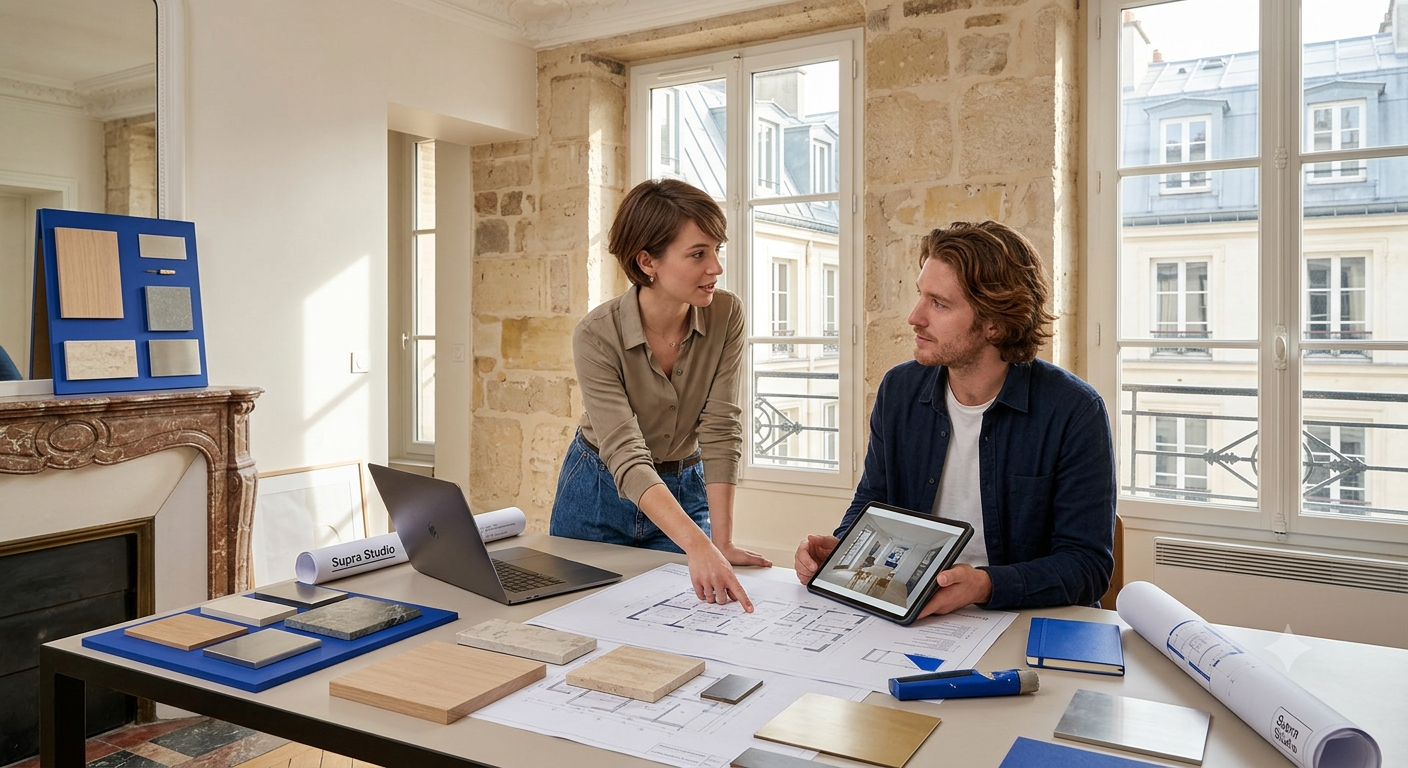
Working on a project involving natural materials? Book an appointment for a first consultation visit, or get in touch to discuss it.
Frequently asked questions about bio-based materials
What are the main bio-based materials used in architecture? Wood, hemp, straw, cork, wood fibre, linen, sheep's wool and cellulose wadding.
Are bio-based materials suitable for renovation? Yes: their insulating qualities, humidity regulation and ability to improve indoor comfort make them a particularly relevant choice for renovation projects.
Are bio-based materials more expensive? Cost depends on the material chosen, its availability and how it is implemented. Some represent a higher initial investment, but often deliver lasting benefits in terms of comfort and performance.
Can bio-based materials be used in a high-end project? Yes: they are widely used today in premium architectural projects thanks to their aesthetic quality, authenticity and ability to create unique spaces.